跳至主要內容

Drought and Aquatic Wildlife

作者:JD Kleopfer/DWR

照片由 JD Kleopfer/DWR 拍攝

The historic drought that has plagued the southeastern United States this spring is not only impacting Virginia’s farming community, but it is also impacting wildlife. Amphibians and many species of reptile occupy or periodically use a wide variety of aquatic habitats for breeding or as permanent homes.

These habitats range from isolated, seasonally flooded wetlands to more permanent bodies of water such as lakes and reservoirs. As these sites begin to dry and their water levels draw down, the animals in them become more exposed to avian and mammalian predators or are forced to disperse to try and find other aquatic habitats. Some amphibians may also abandon any effort to reproduce that year. During these periods of drought, amphibians and reptiles may seek refuge in the surrounding forest or burrow deep into the mud to wait for the rains to return.

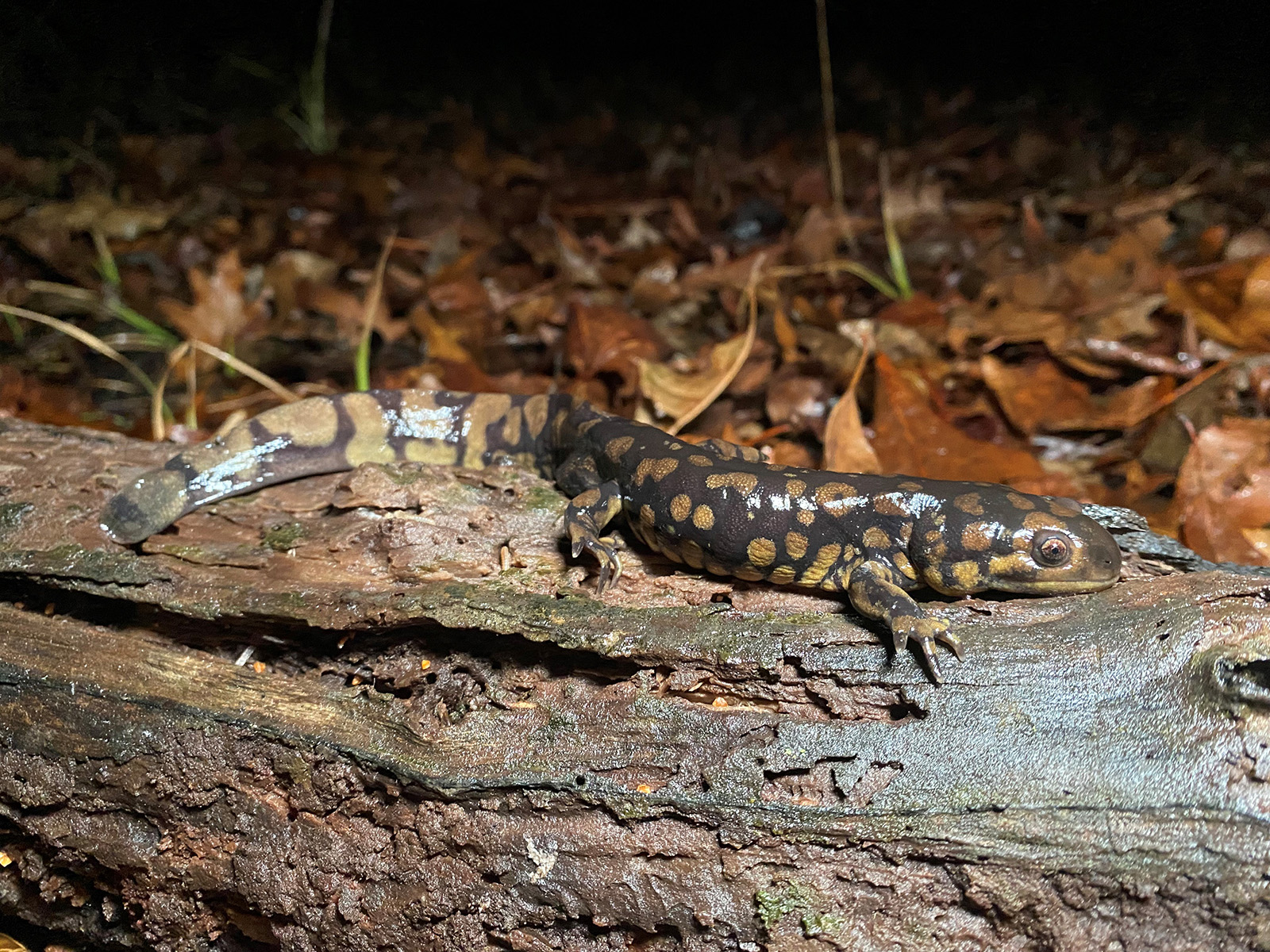
A photo of a salamander on a log taken at night with a flash.

Tiger salamanders are one of the species dependent on ephemeral wetland habitats for reproduction and survival.

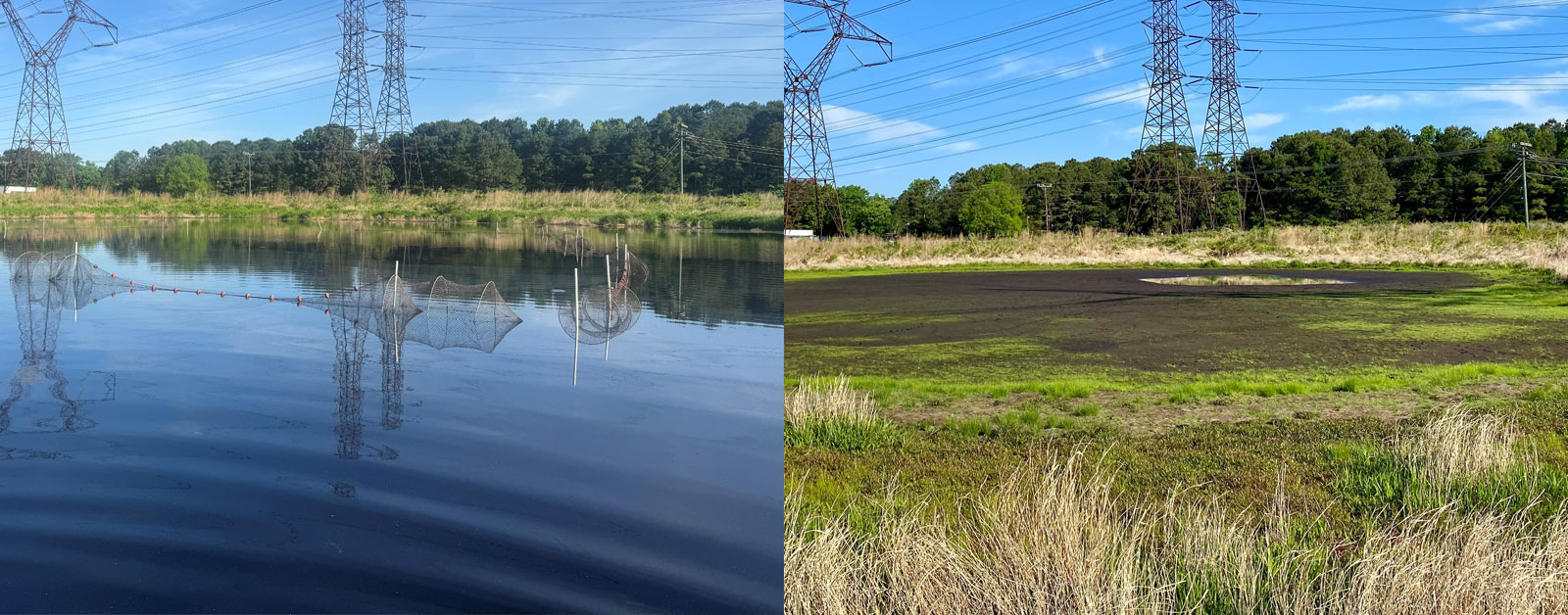
However, the occasional drought can have some positive impacts and can be critical to their survival. Chicken turtles, barking treefrogs, and tiger salamanders are among the many reptiles and amphibians that require fish-free habitats for reproduction and survival. Periodic drying of their habitats, such as sinkholes, Carolina bays, and other seasonally flooded wetlands, keep fish from becoming established. The Cat Ponds sinkhole complex in Isle of Wight County is one such location. In a typical spring, this site may hold 3-5 feet of water.

Two photos placed side by side of a pond site, with it full of water on the left and drained of water and just mud ont he right.

Cat Ponds in Isle of Wight County 2025 on the left, and in 2026 on the right.

This “boom and bust” life cycle is perfectly normal and shouldn’t be a threat to their long-term survival if the “busts” are few and far between. However, if the “bust” years become more frequent due to changes in climate patterns, these species may not have the ability to recover, which will eventually lead to localized extirpations.

以風格恢復野性!立即選購新款 T 恤
  • 五月 20, 2026